











Leonardo AI Alternative - Image and Video Models, No Plan
Leonardo AI alternative without tokens or a plan: Nano Banana Pro, GPT Image 2.5, Seedream, FLUX.2 and Kling video on one prepaid balance and one API key.
 Piotr Olszewski2026-10-029 minPolski
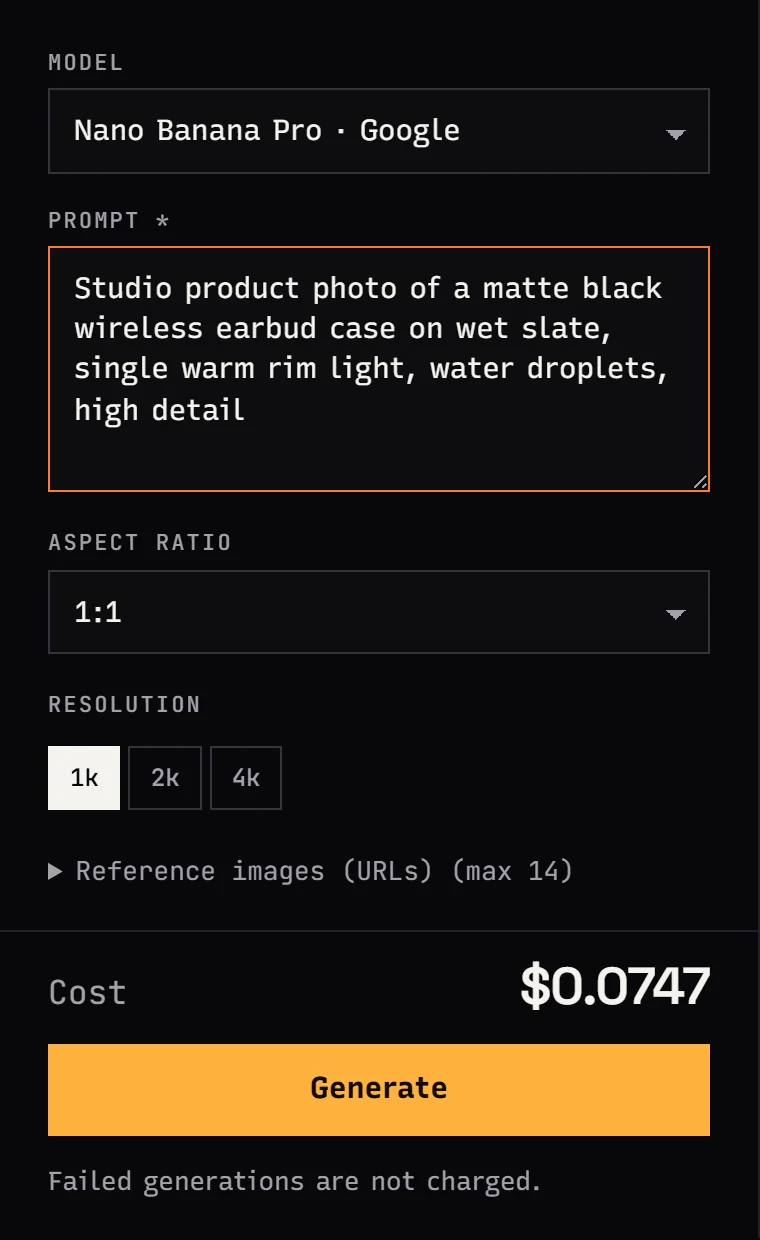
If you want a Leonardo AI alternative because you would rather not track tokens in a monthly plan, you can use the same leading image and video models from a prepaid balance: Nano Banana Pro (from $0.0747 per image), GPT Image 2.5 ($0.0432 per image), Seedream 5.0 Pro, FLUX.2 [pro], Imagen 4.0, Z-Image Turbo and Qwen Image 3.0, plus Kling 3.0 or Seedance 2.5 for video. On Jantaris you pay per image and per second of video, with no subscription, and the same balance works in the browser Studio and over the API. Below: how Leonardo bills today, which model to pick for which job, and what my own tests showed.
How Leonardo AI works in October 2026
Leonardo.Ai has been part of Canva since 2024 and is one of the biggest platforms for AI images and video. The key facts from its docs and help center (plans change, so check leonardo.ai before you buy):
- The web app runs on tokens. There is a free plan with a daily token allowance and paid plans with a monthly allowance. How many tokens a generation uses depends on the model and settings.
- Unused tokens go to a Rollover Bank. The bank has a cap that depends on the plan and only works while the subscription is active, so banked tokens are not usable after you cancel.
- The API is a separate product. It is pay-as-you-go with a USD balance that, according to the docs, does not expire. API balance and app tokens are two different things.
- Many models in one place. Besides its own models (Phoenix, Lucid Origin, Lucid Realism), Leonardo offers third-party ones: Nano Banana Pro, GPT Image 2.5, Seedream 5.0 Pro, FLUX.2 Pro, and for video Kling 3.0, Seedance 2.5 and Veo 3.1 among others.
To be fair about it: if your work depends on Leonardo's own models or app tools, there is nothing to move to, because those exist only on Leonardo. An alternative makes sense when you mostly use the models from Google, OpenAI, ByteDance or Black Forest Labs anyway.
When an alternative fits better
- You don't want a plan. Your volume swings between 20 images one month and 400 the next. A monthly allowance either piles up against the bank cap or runs out.
- You want prices in money, not tokens. Jantaris Studio shows the cost in dollars before you click Generate.
- You also need an API. The same key and balance work for image, video, music and chat models, and the chat endpoints are OpenAI and Anthropic SDK compatible.
- You want one bill. One prepaid balance that never expires instead of an app plan plus a separate API balance.
Seven image models to use instead
| Model | Vendor | What I use it for | Reference images | Price on Jantaris |
|---|---|---|---|---|
| Nano Banana Pro | polished single frames, text, 4K | up to 14 | from $0.0747 per image | |
| GPT Image 2.5 | OpenAI | long, precise prompts and editing | up to 16 | $0.0432 per image |
| Seedream 5.0 Pro | ByteDance | posters and covers with text | up to 10 | from $0.0783 per image |
| FLUX.2 [pro] | Black Forest Labs | photorealism, scenes from several photos | up to 8 | from $0.0688 per image |
| Imagen 4.0 | plain text-to-image | none | $0.115 per image | |
| Qwen Image 3.0 | Alibaba | text-heavy pages: infographics, storyboards | up to 3 | from $0.0576 per image |
| Z-Image Turbo | Alibaba | cheap drafts and composition tests | none | $0.02 per image |
Practical notes:
- Nano Banana Pro has three resolutions (1K, 2K, 4K) and 10 aspect ratios. Higher resolution costs more, hence "from" in the price.
- GPT Image 2.5 takes pixel sizes instead of ratios (
1024x1024,1536x1024,1024x1536orauto). The price per image is flat, even at the highest quality setting. - Qwen Image 3.0 supports
negative_promptand long prompts, which helps with layouts full of small text. - Z-Image does not accept input images, but costs a fraction of the top models. I use it to check framing and light before paying for a bigger one.
I tested the three strongest models on identical prompts in GPT Image 2.5 vs Nano Banana Pro vs FLUX.2, and there are head-to-heads for Nano Banana Pro vs GPT Image 2.5 and Z-Image vs FLUX.2 Pro.
What my ten-model test showed
On September 27, 2026 I gave ten image models the same set of prompts, including a portrait of an older man holding a coffee mug in both hands. That task exposes skin, fingers and window light very quickly. Each model got a single attempt.
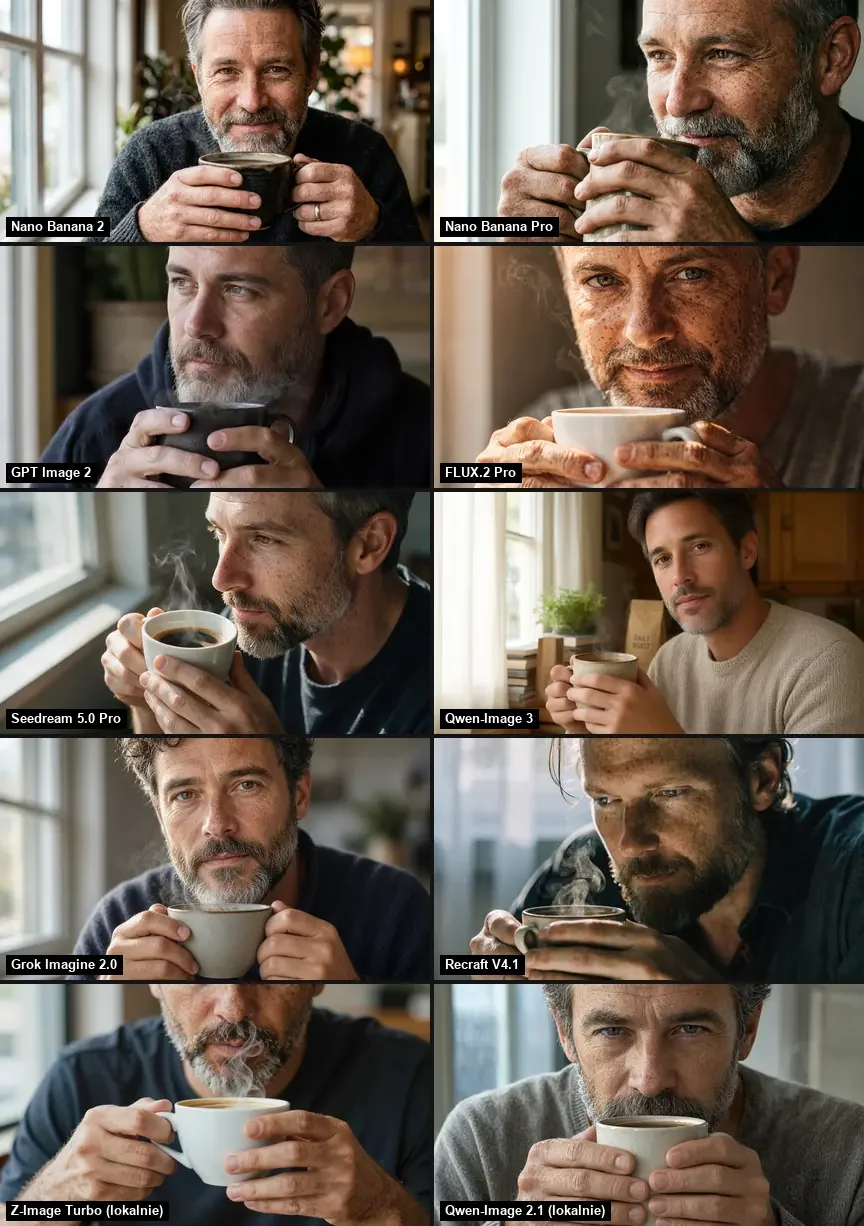
Nano Banana Pro had the highest average across the whole ranking (9.0). GPT Image 2.5 got a sign with Polish diacritics right at every quality level, while FLUX.2 [pro] made two errors in the same sign. If your images carry text, that difference matters. More in AI text in images.
Reference images instead of training
Many Leonardo users train a style or a character. With the models above you get a similar result from reference images: pass photos of your product, character or style in image_urls and describe what should happen to them. FLUX.2 [pro] takes up to 8 references, Nano Banana Pro up to 14, GPT Image 2.5 up to 16.
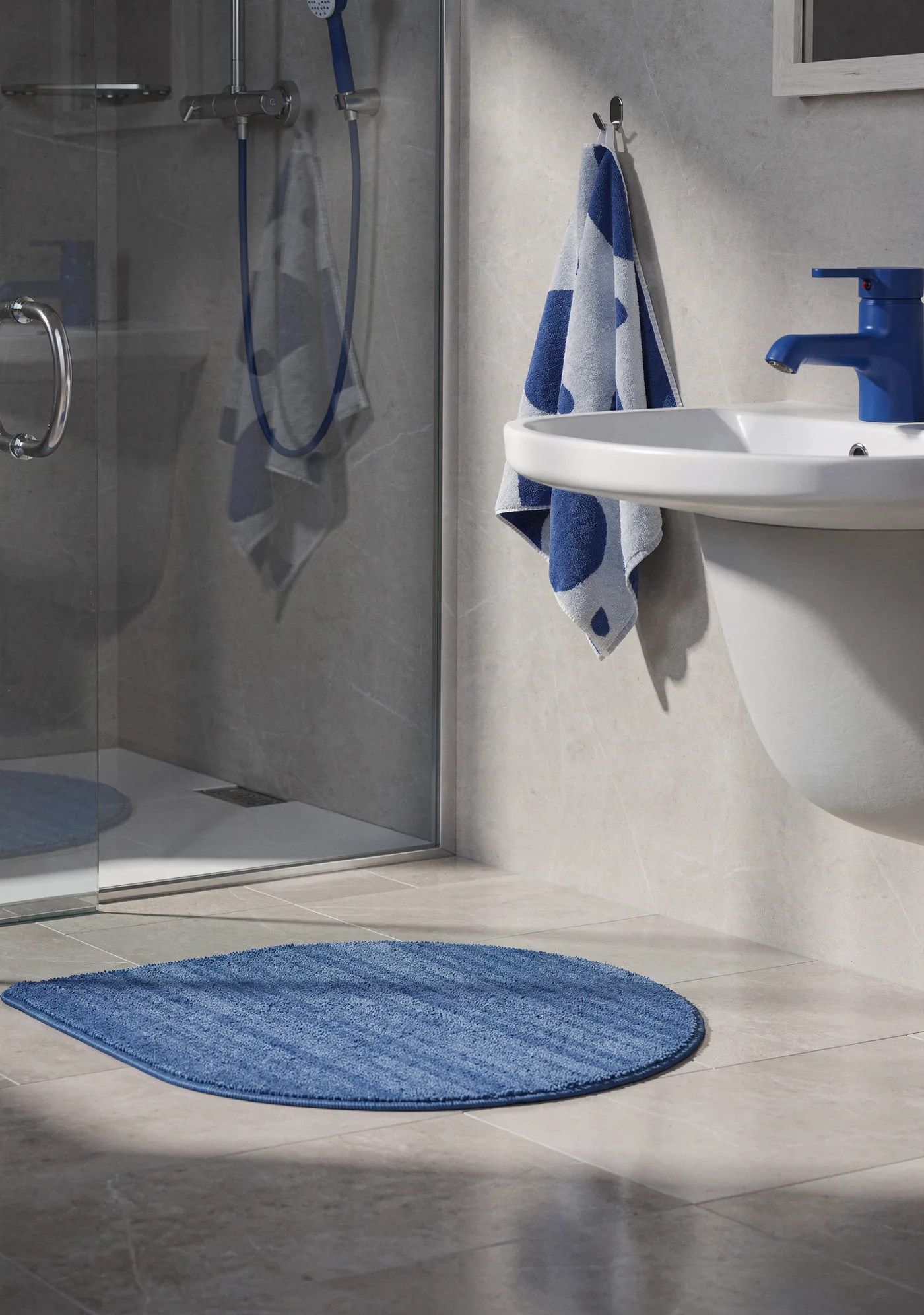
It is not the same as a trained model, because you send the references with every request. In return there is no training step to wait for or pay for. How to keep one face consistent across images and clips is covered in consistent character AI video.
Cheap draft first, final render second
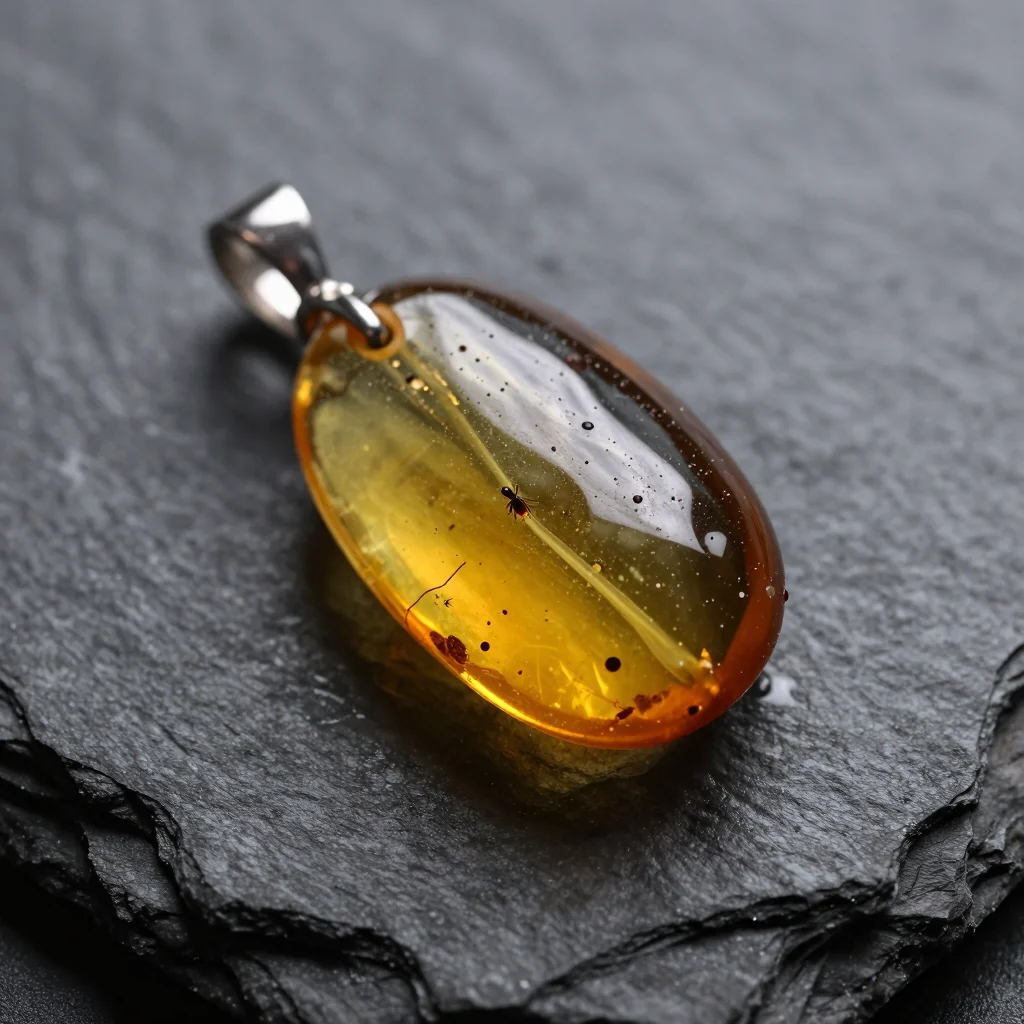
My workflow: test composition and light on the cheapest model, then render the idea that works in Nano Banana Pro or GPT Image 2.5. Below is an amber pendant from Z-Image Turbo, generated locally on my own GPU with the same model that is in the Jantaris catalog.

Video on the same balance: Kling, Seedance, Veo
Leonardo is known for images, but more people now make short clips there too. On Jantaris the same balance pays for video, billed per second of finished output:
- Kling 3.0 - 3-15 s clips up to 4K, optional audio and dialogue,
- Seedance 2.5 - up to 30 s with audio, editing and extending an existing clip,
- Veo 3.1 Fast - Google's 8-second shots at 720p, 1080p or 4K,
- PixVerse V6 - cheap short clips from 360p to 1080p.
You can animate a Nano Banana Pro image straight away by passing its URL as image_url to a video model. The full walkthrough is in the image-to-video AI guide.
What it costs without a plan
No tokens to convert. You top up from $10 and each generation deducts the amount shown before you click. The balance never expires and failed generations cost nothing. A sample month:
| Job | Cost |
|---|---|
| 100 drafts in Z-Image | 100 × $0.02 per image |
| 50 images in GPT Image 2.5 | 50 × $0.0432 per image |
| 30 images in Nano Banana Pro | 30 × from $0.0747 per image |
| 20 posters in Seedream 5.0 Pro | 20 × from $0.0783 per image |
| 10 Kling 3.0 clips, 5 s each | 50 × from $0.169 per second |
| 10 PixVerse V6 clips, 5 s each | 50 × from $0.0405 per second |
A token plan pays off when you use most of the allowance every month. A balance is simpler when your volume varies or you mix models. Every rate is on the pricing page.
The same image over the API
From code, a store or an n8n workflow it is one request with a key. ?wait=60 holds the request until the image is ready and returns the URL:
curl "https://jantaris.com/v1/generate?wait=60" \
  -H "Authorization: Bearer $JANTARIS_API_KEY" \
  -H "Content-Type: application/json" \
  -d '{
    "model": "seedream-5.0-pro",
    "input": {
      "prompt": "Poster for a summer jazz night by the river, title \"BLUE HOUR\", art deco style, warm sunset palette",
      "aspect_ratio": "3:4",
      "resolution": "2K"
    }
  }'
A different model is a different model value plus its own parameters (GPT Image 2.5 takes a pixel size, for example). The response includes estimated_cost before the result is ready. A complete Python script with downloads is in generate images with Python, and every parameter is in the generate docs. You create a key after you sign up.
FAQ
What is the best Leonardo AI alternative?
It depends on the job. I use Nano Banana Pro for polished single frames, GPT Image 2.5 for long precise prompts, Seedream 5.0 Pro for posters with text, FLUX.2 [pro] for scenes built from several photos and Z-Image for cheap drafts.
Is there a free Leonardo AI alternative?
Jantaris has no free plan or signup credits. You pay from the first image and the minimum top-up is $10. Some apps, Leonardo included, offer limited free allowances, and Z-Image has open weights you can run locally on a strong GPU.
Are Leonardo's own models like Phoenix or Lucid on Jantaris?
No. Leonardo's own models are only available on Leonardo. Jantaris offers models from Google, OpenAI, ByteDance, Black Forest Labs, Alibaba, Kuaishou and others.
Does the Jantaris balance expire like plan tokens?
No. The balance never expires and does not reset with a billing cycle. You pay only for generations that succeed.
Can I call the same models from code?
Yes. Every model in Studio is available through POST /v1/generate with the same key, and the quickstart gets you to the first image in a few minutes.
Can I use the images commercially?
Usage terms come from each model's vendor and the service terms. Check the specific model before a client campaign, and do not use real people's likeness or other brands' trademarks without permission.


